
Harrison County Has No Archived Blotter
No 72-hour, seven-day, or weekly booking log exists here. The current roster shows who the jail holds today. A 48-hour release view covers recent departures, and the sheriff's press page carries selected announcements rather than a complete ledger.
Build a Harrison Arrest Timeline
- Search the current roster by full name and save the booking number and date.
- Check the 48-hour release page; compare booking and release dates.
- Review sheriff press items for a selected announcement.
- Search Missouri Case.net for later public case events.
- Ask the arresting agency for the arrest report, booking sheet, or jail-log entry when the online window has closed.
- Use news as context, not proof of completeness.
The 24 Hour Arrests page covers the narrower live check.
Fields Across Harrison Arrest Sources
| Source | Content and limit |
|---|---|
| Current roster | Name, booking number and time, charges, bond, profile, and image where present; current custody only. |
| Release page | Booking and release dates plus roster fields; rolling 48-hour departures. |
| Arrest report | May include agency, location, incident facts, and routing, subject to lawful redaction. |
| Case.net | Later public filings and outcomes; not a live custody list. |
| News | Selected event context; never a complete county log. |
Weekend Entries and Delayed Context
The department publishes no weekend, holiday, or refresh schedule. Web entries can lag behind an actual booking. Court or news context often arrives days later. Check both jail views and note the timestamp on each. If custody status is unclear, call 660-425-3199. The county arrest hub also explains how to request named records.
Harrison Arrest Archives and Retention
The web roster is not an archive. Missouri's sheriff schedule sets a five-year minimum for arrest records. That floor covers arrest logs, registers, booking sheets, fingerprints, and related biometrics. Inmate files are generally kept five years after release. The jail activity log is listed for five years too. Retention floors, though, promise storage, not years of online access.
Older arrest records take a written request. Write the Harrison County Sheriff's Office at 1501 Central Street or P.O. Box 169, Bethany, MO 64424. Give the full name, approximate date, arresting agency, and booking number. Ask for the arrest report, booking sheet, release record, and charge or bond entry. No fee schedule or response time is posted. Request an estimate first.
Harrison's Weekly News Layer
The Bethany Republican-Clipper publishes weekly Harrison County coverage, including occasional arrest roundups. Its headlines page shows the publication route.
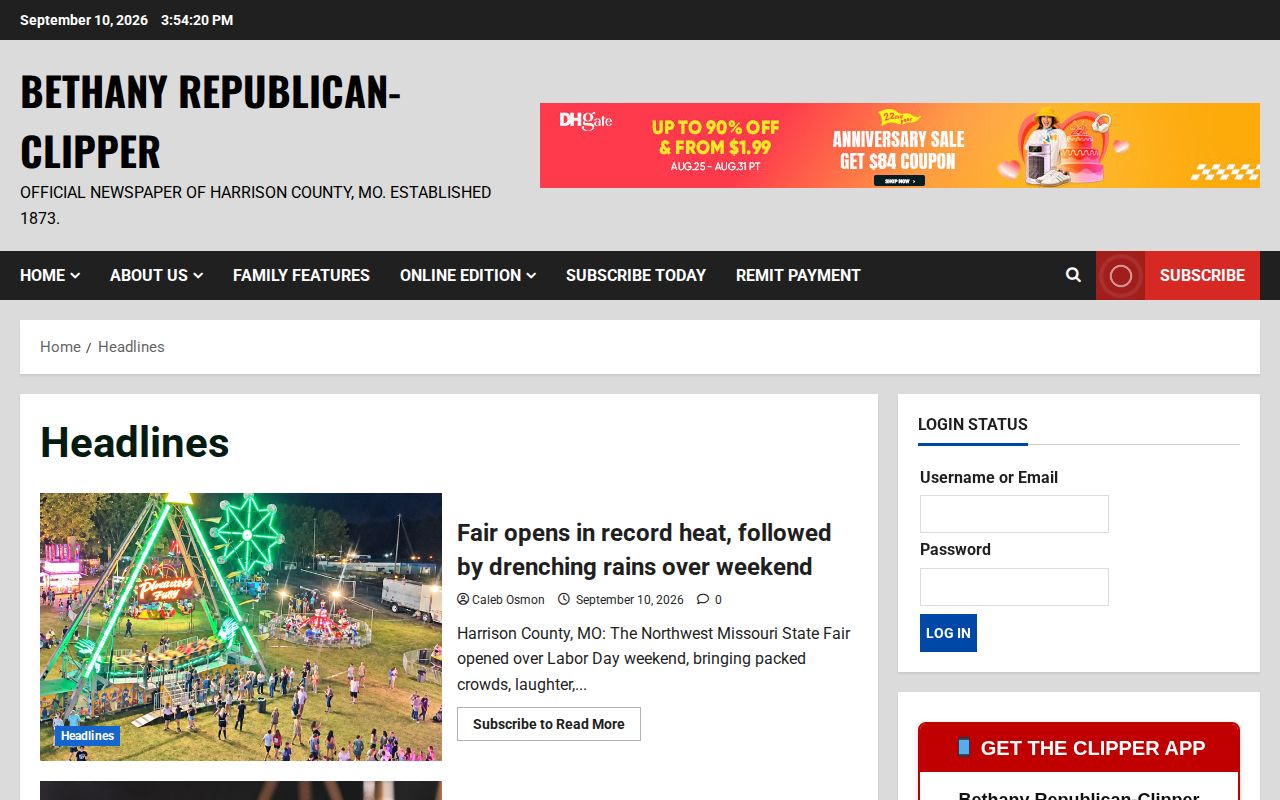
Editorial timing makes this context, not a custody roster. The Northwest MO Info local-news page adds coverage of selected pursuits, drug arrests, and felony cases.
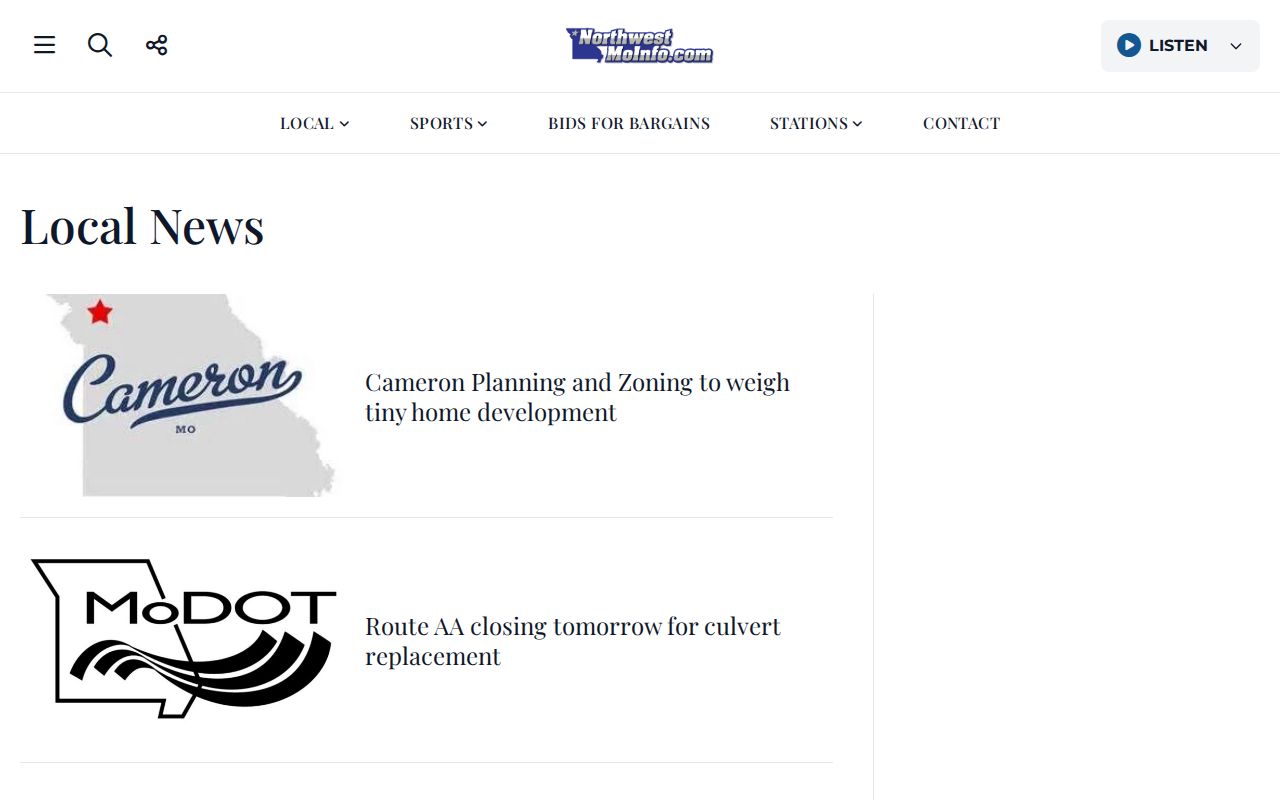
Verify every report against the originating agency and court record.
From Booking Charge to Disposition
A roster charge is simply what intake recorded that day. Prosecutors may file something different. A case can shrink or get dismissed. It can also end in a plea or go to trial. A booking photo shows how someone looked at intake, nothing more. For court outcomes, match Case.net records by case number and identity. Sealed or protected details stay unavailable.
Reconstructing an Older Harrison Arrest
Treat an older arrest search like a chain, not a single feed. Start with the current roster. Someone booked days ago may still be in custody there. Move next to the 48-hour release view. That list can show a person who entered jail earlier and left recently. Capture everything while you see it: booking number, booking date, release date, charges, bond, and profile details. Remember the sheriff's home-page Latest Booking card shows only one recent entry, and the press page picks and chooses.
If the arrest appears in neither jail view, figure out which agency made it. Harrison County Sheriff, Bethany Police, the Missouri State Highway Patrol, and partner agencies each hold different pieces of the record. Ask the right custodian for the arrest report. Ask the jail for booking and release material. The sheriff's public forms page lists no special booking request, fee, or turnaround. Put the full name, approximate date, agency, and any known booking number in writing, then request a price and a response estimate. The official contact form is not watched around the clock, so skip needless sensitive details.
Missouri's RSMo section 610.100 governs arrest and incident reports, though access stays fact-specific. An open report does not force publication of investigative attachments, addresses, witness identities, juvenile or victim details, or protected facts. If material is redacted, request the open portion and ask the office to cite its legal basis. Keep two things separate: online publication and agency retention. A record can sit in an office file long after its roster card vanishes from public view.
Case.net adds the court layer when a public case exists. Match a common name to the case number and other identifiers, because aliases and spelling variants mislead easily. The docket may show filings, hearings, pleas, dismissals, judgments, or sentences the booking card never knew. Some sealed or protected material stays out. A docket tracks the court case, not current jail status.
News archives serve a different purpose. The Republican-Clipper runs weekly and may catch a roundup after the live roster changed. Northwest MO Info may cover a selected pursuit or felony case. Both help pin down dates, agencies, and later developments. But editors choose what to print, so an event can slip through, and an early story can lag behind later case changes. Search their dates and names carefully. Then confirm with the named agency and the court. No unofficial site counts as Harrison County's authoritative log.
Keep custody categories straight the whole way. A current Harrison detainee belongs on the county roster. A recent release shows in the rolling release view. An older booking can live on as an agency record or court case with no online trace. A person moved to state custody after sentencing may appear in the Missouri DOC Offender Search, while federal and immigration custody use separate locators. Transfers make people vanish from one source and surface in another, yet the original arrest record survives.
Record dates and source names in any timeline. Booking time, release time, publication date, filing date, and disposition date each answer a different question. Never treat a story's publication date as the arrest date. Never read a release as the end of a charge. The soundest account says what each source reported at a given time and leaves the final outcome to the court record. That discipline makes the missing Harrison blotter workable without inventing one.
Booking Images in an Arrest Timeline
Each booking image on the Harrison County roster belongs to one moment in a person's arrest record. It shows the intake, nothing more. The county sheriff posts no guarantee that every entry carries a photo, and there is no fixed retention period for booking images either. Several things explain a gap. A transfer, a protected juvenile record, a technical glitch, or an entry rolling off the public page will all leave a blank where a photo should be. So treat an old image carefully. It cannot tell you whether someone is still in custody today.
Need an image after the web window closes? Put the booking number and date in a written request, and ask the custodian for the booking photograph tied to that record. Spot an error instead? Name the exact field and attach a final court order or disposition when one applies. Remember that the roster's own disclaimer makes its public card a convenience rather than a certified extract. For a certified court result, the circuit clerk is the office to contact, while the sheriff remains the keeper of the local booking record.
Official Sources Lead the Harrison Log
Start with the official record, not the news story. For Harrison County arrest log research, source order settles most conflicts. The sheriff's roster controls what the jail displays right now. The arresting agency controls its own report. The court, in turn, controls the docket and disposition. A newspaper account can add helpful context. Yet it should never override a corrected agency record or a later court result. Since a rolling roster shifts and news pages get edited, note the date each source was pulled. Nothing slips past you unnoticed that way.
Conflicts happen. When two sources disagree on a name, date, charge, or release, check the booking number and case number. That shows whether both describe the same event. Ask the originating office to explain or fix its own record. Never blend details from similar names or separate bookings into a single timeline. The method is slower than trusting a supposed multi-day feed. But Harrison County publishes no such feed, and careful reconciliation is what keeps the log factual.